

October 7: Massacre, Captivity, Denial Reconstructing the October 7 Record
Shlomo Kashani

October 7:Massacre, Captivity, Denial

Reconstructing the October 7 Record

A Documentary Account by Shlomo Kashani

Evidentiary Inversion

October 7: Massacre, Captivity, Denial reconstructs the attack as a single documentary sequence — and develops three analytical concepts that did not exist in the literature when the book was written.

The book moves in three disciplined parts. Part I: The Event — massacre, sexual violence, Nova. Part II: Human Experience — hostage-taking, captivity architecture, the psychology of coercive confinement. Part III: System and Meaning — evidence chain, ideological grammar, institutional denial.

The aim throughout is evidentiary clarity: preserving chronology, distinguishing documentary from interpretive from legal claims, and refusing the erasure that denial attempts.

"The record asks something of its reader: to receive what has been shown and to remain answerable to it."

"To hear the groans of the prisoners, to set free those who were doomed to die."

Psalm 102:20

Concepts

Three concepts built to describe what existing language could not.

Evidentiary Inversion

n. The condition produced when a crime is committed inside massacre: the attack destroys the proof conditions — living complainants, bounded scenes, rapid medical collection, unbroken police sequence — that the conventional evidentiary standard requires.

The crime and the erasure of its own evidence are one act.
Pattern Sufficiency

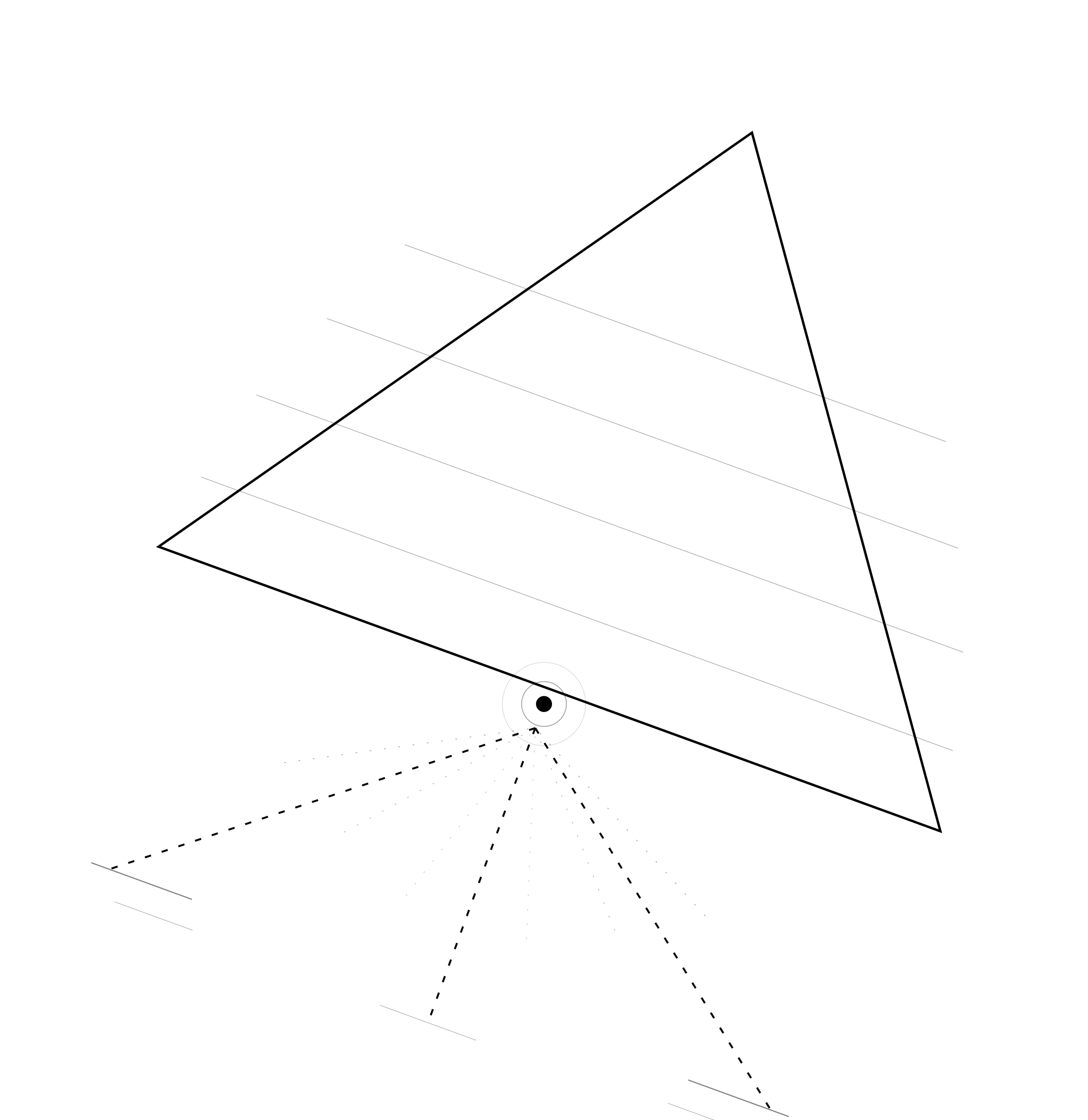
n. The evidentiary standard appropriate where evidentiary inversion has occurred: proof rests not on completeness within any single scene but on convergence across six independent witness channels, recurring across distinct sites within the same coordinated assault.

It does not lower the standard of proof; it matches the standard to the conditions the crime created.

Civilian Targeting by Design

n. A form of organized violence in which pre-attack planning converts civilian geography and civilian time into operational advantage — mapping homes, roads, shelters, gathering spaces, and routes of escape as an integrated field of assault.

Civilian vulnerability becomes the method of violence, not its incidental consequence.

October 7: Massacre, Captivity, Denial Reconstructing the October 7 Record
Shlomo Kashani

Book Preview

The volume

October 7: Massacre, Captivity, Denial — Reconstructing the October 7 Record is a documentary and analytical account that assembles the evidentiary record of the attack — massacre, sexual violence, hostage-taking, and captivity — and examines how public language subsequently tried to absorb, flatten, or recode it.

The volume is organized in three parts — Part I: The Event; Part II: Human Experience; Part III: System and Meaning — and develops the concept of evidentiary inversion, where atrocity conditions damage single-channel proof and require convergence across independent witness channels. It distinguishes documentary claims from interpretive claims and legal characterisations, and is written for the reader who has finished survivor accounts and asks what the record as a whole establishes.

Key Ideas

One day of massacre. Months of captivity. A denial campaign in real time.

Two Timelines

October 7 was not one event but two timelines running simultaneously: a single day of massacre, and months of captivity that carried the attack forward behind a border. The abduction of 251 people was built into the attack’s design from its opening hours.

The hostage system kept the assault in the present tense.

The Second Assault

Denial began while the evidence was still being assembled. Three mechanisms recurred across institutions: the demand for evidentiary purity from scenes massacre had destroyed, displacement by context, and selective universalism.

The only variable that changed was the identity of the victims.

The Discipline of Witness

October 7 produced an unusually complete record for an atrocity of its speed and violence. The record must be honest, cumulative, and resistant to the demand that mass murder produce the same proof profile as an undisturbed scene.

The record does not need to be perfect to be binding.

The Talk

The Archive That Could Not Be Unseen

October 7 and the Discipline of Witness — a public talk drawn from the book.

Before the Argument

Three things I saw

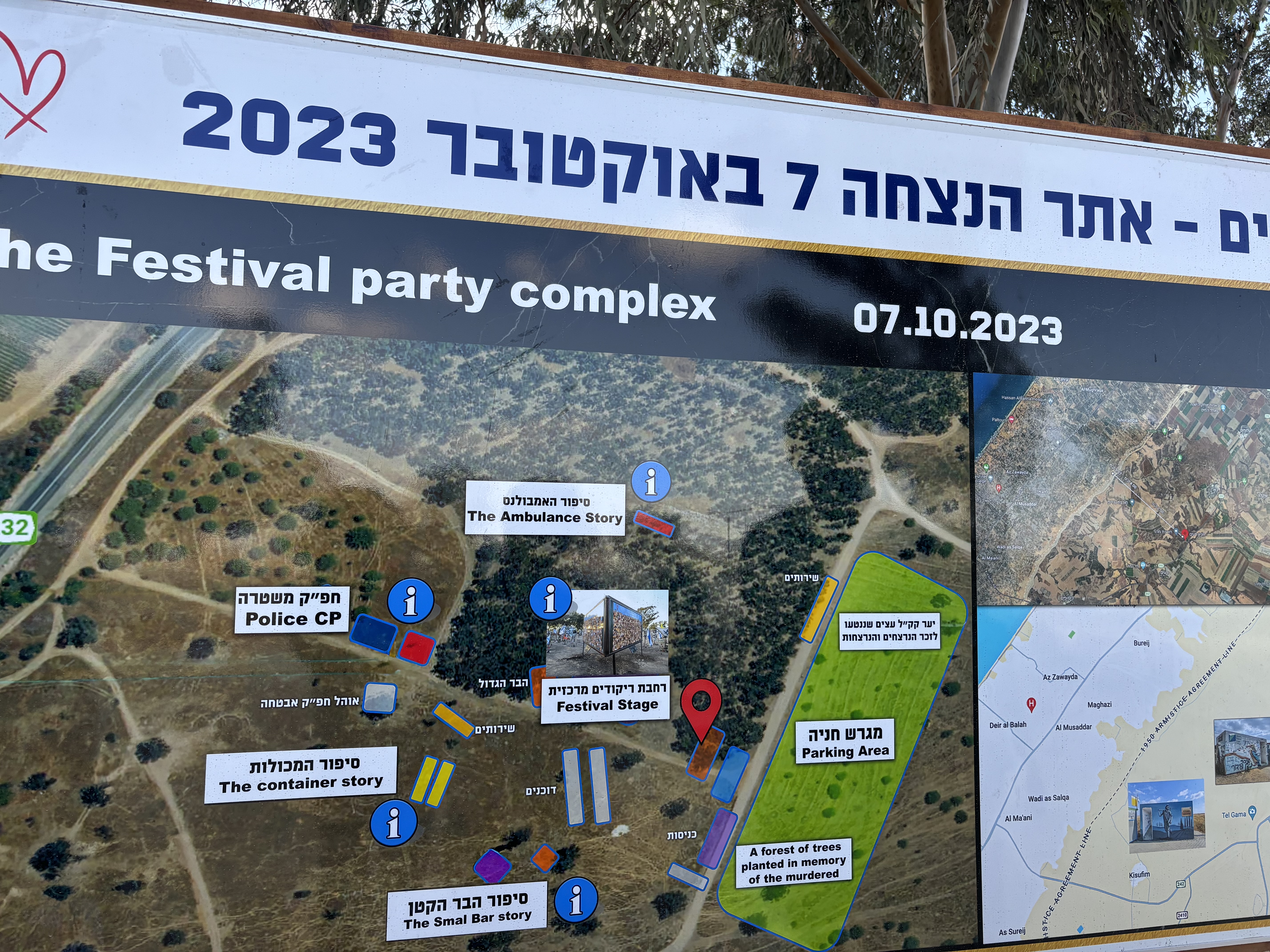
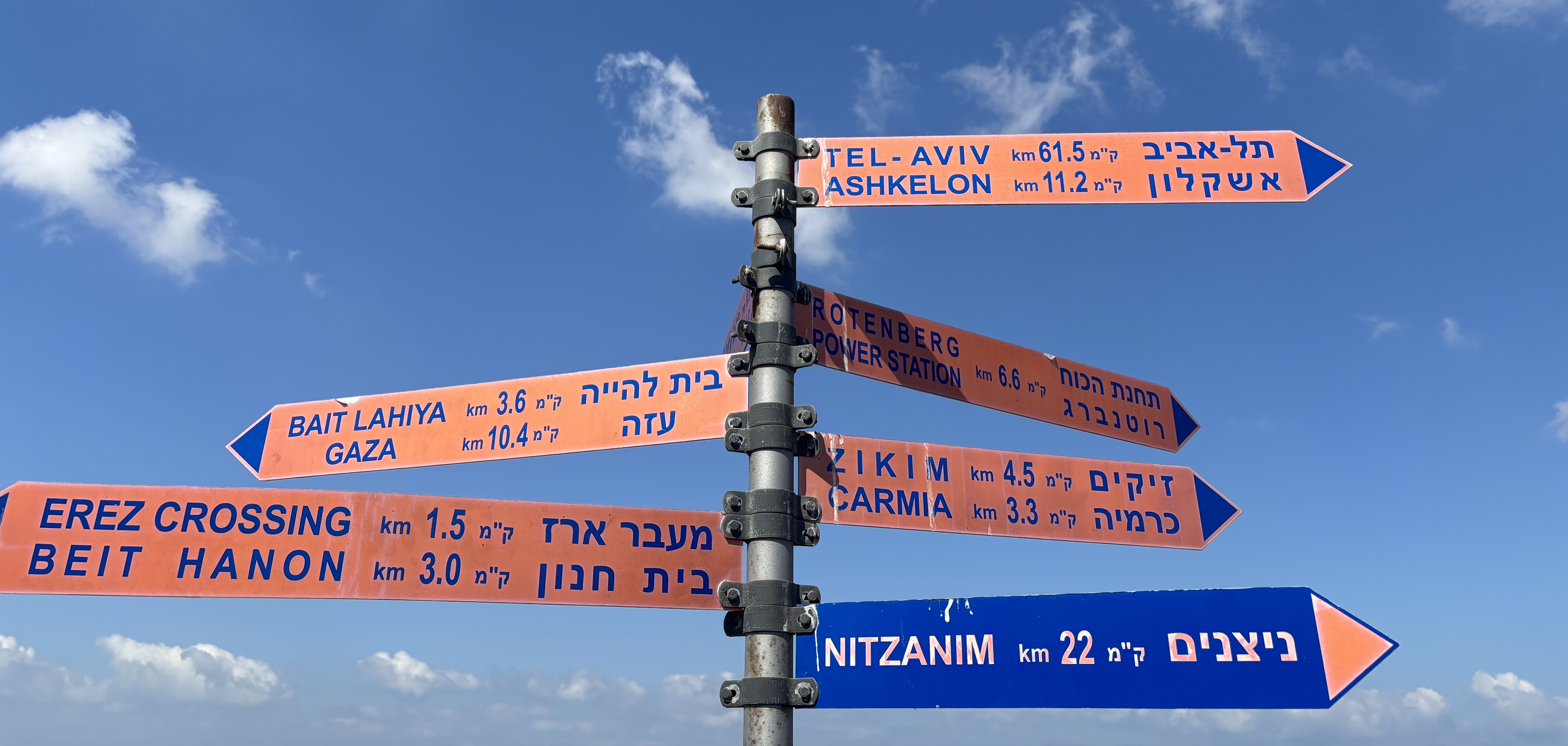
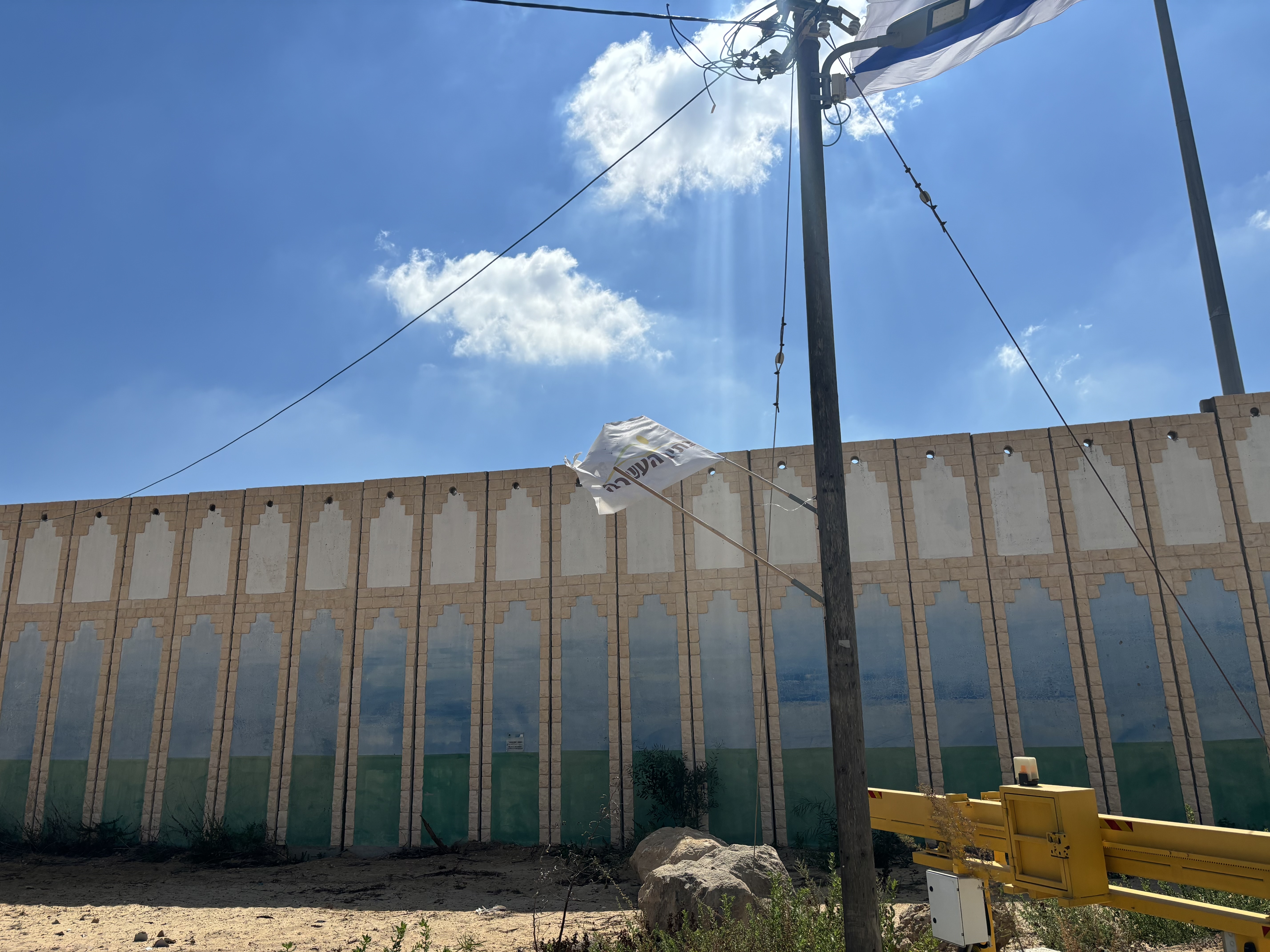
A burned room in a kibbutz home with its window still intact. A bathroom door with bullet holes at the height where a person would stand at a sink. A site map at the Nova festival grounds naming where each story happened. The talk opens with the ground-level encounter that made the evidentiary work necessary, then builds the three concepts the book had to invent.

The Argument

Building the taxonomy

Evidentiary inversion, pattern sufficiency, civilian targeting by design — and the second assault on the archive. An event for which the taxonomy does not yet exist is an event that denial can most easily absorb. Building the taxonomy is the first act of witness.

The Author

Shlomo Kashani

Doctoral researcher in Defence and Strategic Studies. Author. Based in Jerusalem.

Shlomo Kashani

The author

Shlomo Kashani is an interdisciplinary researcher examining deterrence, civilian protection, and political judgment under conditions of extreme uncertainty. His work sits at the intersection of strategic studies, artificial intelligence, and the ethics of emerging weapons technology. His academic formation spans Defence and Strategic Studies at Missouri State University, advanced signal processing at Queen Mary University of London, and quantum physics and computing through Johns Hopkins University. He is also the author of Deep Learning Interviews and a Gold Medal recipient in the Kaggle AI Mathematical Olympiad.

Based in Jerusalem, Kashani brings this interdisciplinary method to October 7: Massacre, Captivity, Denial, using convergent sourcing and careful distinctions among documentary, interpretive, and legal claims to examine the attack and the struggle over its public record.

Author Doctoral Researcher Kaggle Gold Medal MSU · QMUL · JHU

Contact

Press and academic inquiries

For advance interest, speaking invitations, exhibition questions, or press requests, email directly.